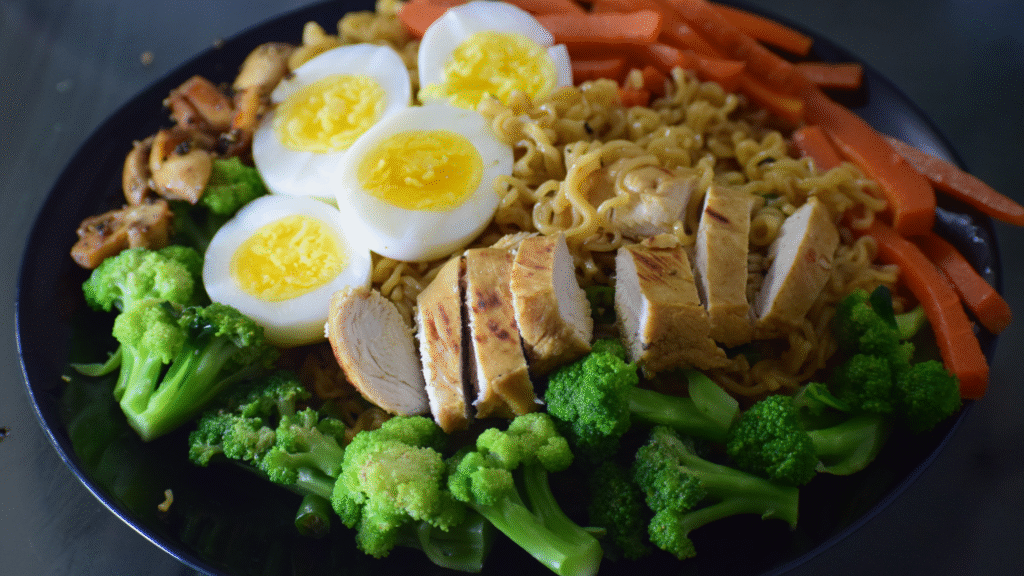
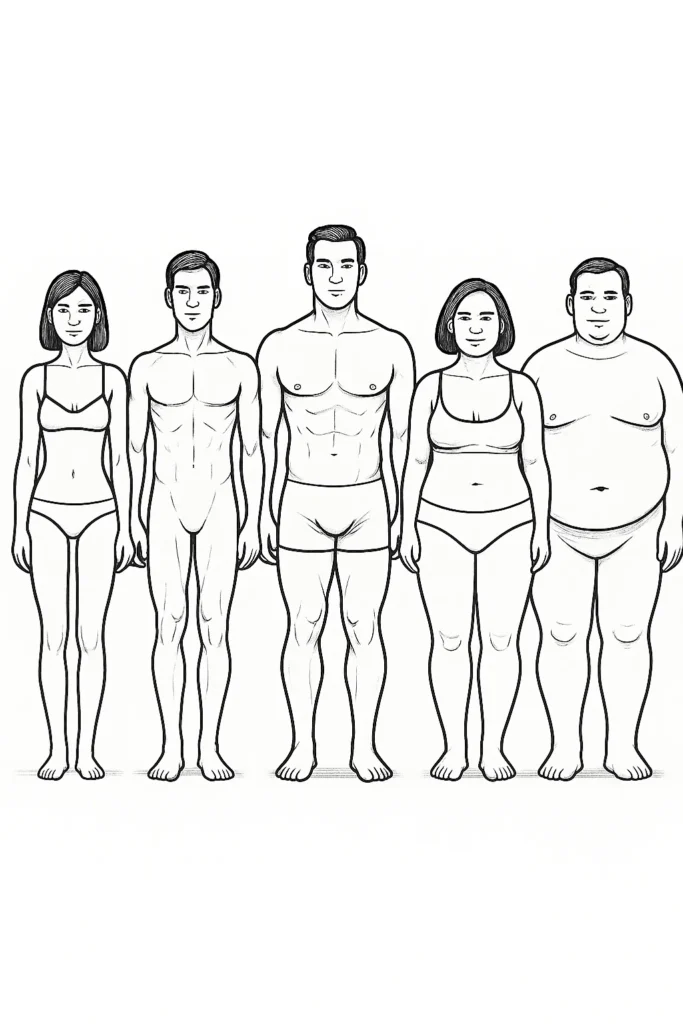
Nutrition is important for fitness, and eating a good, balanced diet can help you get the calories and nutrients you need to fuel you up for daily exertion and your regular exercise. Having the best diet plan for exercise can be tricky. There are so many factors you need to consider, especially if you are just starting your fitness journey. The first and most significant ones would be knowing your body type, and knowing how to diet for your body type.
What you eat can be important to how you feel, not just for when you exercise, but when your body is at rest or when you are doing other activities, whether it’s a casual drill or training for a competition, or just getting ready to start your day.
Picking the right diet or foods to fuel your body through and through as you go about your day is not as simple as choosing vegetables over doughnuts. You must consume the appropriate foods at the appropriate times of day.
8 Basic Tips To Maximize Your Workout
- BREAKFAST

Your first meal of the day is very important; you should not even think about skipping it. As a matter of fact, studies have shown that regular breakfast puts you at a lower risk of obesity, diabetes, and heart disease, and can renew your blood sugar, which your brain and muscles require to function.
For all the early birds out there, having a healthy breakfast before exercise or before going about your day is essential. A healthy meal rich in fiber, protein, and carbohydrates, which will give you the energy you need to keep you going.
Developing healthy eating habits in the morning sets the tone for the entire day.
Recommendations:
- Whole-grain cereals or bread
- oatmeal
- Low-fat milk
- Juice
- eggs
- Banana
- Yogurt
- Custard
These are all options that would make a delicious blend with what combo you would prefer, just as long as you combine right to get a proper breakfast rich in fiber, with a touch of protein and carbs to follow.
- CARBOHYDRATES

It’s essential to eat the correct kinds of carbohydrates. Carbohydrates like those found in sweets and processed foods are the go-to source for many people. What a lot of people do not know is that the carb from this source is a simple carbohydrate. It is better to rely instead on complex carbohydrates, such as those found in homemade foods, whole grains, fruits, vegetables, and beans.
Because you digest whole grains more slowly than refined grains, they have a longer shelf life. These high-quality grains provide the vitamins and minerals your body requires to function at its best.
These carbs can keep you fuller for longer and provide your body with fuel throughout the day. They can also help maintain normal blood sugar levels.
- FOOD PORTION: Should I eat before a workout?
Watching the size of your meal before your exercise is essential. You need to be careful not to have too much or too little before your exercise. Having too much can make you sluggish, and having too little might leave you tired, lightheaded, and unable to push through and hit your best mark.
For people who eat small meals and snacks, you should eat 30 minutes to 1 hour before your exercise.
For people who eat large meals, eat 2-3 hours before your exercise, or better still, get a light meal or a snack with enough carbohydrate to keep you fueled through your exercise. After which, you can then have your main meal.
Research has shown that your workout performance is improved and at a higher intensity if you eat or drink carbs before your exercise, and may even help you last longer.
- PROTEIN

Protein keeps your body growing, maintained, and repaired.
Fun fact: Did you know that red blood cells die after about 120 days?
Protein is responsible for replenishing your red blood cells. So you don’t need to be a workout junkie to consume a lot of protein. Everyone needs protein!
Nonetheless, you need to consume a lot of a high-protein diet if you’re gonna be exercising! It is essential for building and repairing muscles. This is essential for your workout and can also be a source of energy when you run short of carbohydrates to fuel your exercise.
Easy & recommendation:
- chicken and turkey
- red meat, e.g., beef and lamb
- fish
- milk and yogurt
- legumes, e.g., beans and lentils
- eggs
- banana
- peanut butter
- SNACKING
Having a healthy snack before, after, or even in between your exercise is ideal. Pay attention to how you feel and do what works for you.
Good snacking options may include;
- Banana, an apple, or other fresh fruit
- Yogurt
- An energy bar
- chocolate bar
- fruit smoothie
- A low-fat granola bar
- A peanut butter sandwich
- Diluted juice
- FRUITS AND VEGGIE

All vegetables and fruits are highly nutritious and are packed with vitamins, minerals with antioxidant properties and other compounds that can help reduce the risk of diseases as well as improve cognitive health, and keep you healthy generally.
So with all that said, it is recommended that you increase your fruit and viggies intake, include them in your daily diet for better results. Popular vegetables with highly packed vitamins are;
- broccoli
- spinach
- avocado
- banana
- EAT AFTER EXERCISE
What to eat after a workout?
After grinding and sweating, eating a meal should be your next agenda. Figure out what you want as a post-workout meal. Your muscles need to recover, so you need to have a meal that is well packed with proteins and carbs, and it should be achieved within 1-2 hours to avoid breakdown.
If, for any reason, you can not have your meal ready within 2 hours, consider a post-workout snack to keep you going till you can have a proper meal, but make sure you know what to eat after a workout so your body doesn’t face the consequences.
A good post-workout meal may include;
- bread and peanut butter spread
- smoothie
- fruits and vegetables with yogurt.
- STAY HYDRATED

Water is necessary for a healthy heart, brain, and muscles, as well as for regulating our body temperature through sweating. Staying hydrated throughout a workout enhances your overall ability to perform.
Most people forget to hydrate properly during their workouts, resulting in dehydration, which can result in serious issues such as muscle fatigue, excessive sweating due to an increase in body temperature, and thus overheating, which can cause problems with our mental functions, which in turn lead to more serious issues such as dizziness or fainting.
Drinking enough water as you go is the best way to replenish expended fluids and stay hydrated. If you exercise for more than 60 minutes, you should consider consuming a sports/soft drink. They include carbs and can maintain your body’s electrolyte balance while also providing a boost of energy.
To avoid all of these, it can not be stressed enough why staying hydrated is important.
On attempting to lose some weight or tone your body, you might be tempted to take out a lot of calories from your weight loss diet because cutting out calories is a significant aspect of losing weight, but do not take it too far and cut way too many calories- yes, it is possible to take it too far. In such cases, you don’t lose fat but rather risk your health.
Your weight loss diet must not leave you fatigued or unwell. These would be signs that you aren’t consuming enough calories/nutrients for optimal health and fitness.
If you’re really active or don’t want to lose weight while exercising, you may need to consume extra calories.
BOTTOM LINE
Everyone is different when it comes to eating and exercising. Try to be aware of how you feel while you exercise, as well as your overall performance. Use your experience to help you determine which pre-and post-exercise eating habits are ideal for you. Keep a record of how your body reacts to meals and snacks so you can adjust your eating habits for peak performance.
Recommended Tips;
- Never skip breakfast
- Go for complex carbs and protein sources, healthy fats, fruits, and vegetables.
- Get your bag packed with healthy snacks.
- The right combination of these nutrients will fuel you for your exercise and keep you at optimal performance.
As usual, before you begin any workout program or start a change in your daily nutrition, see your doctor or a dietitian to determine the number of calories you require to support your lifestyle and fitness objectives.


Pingback: The Real Benefits of Exercise: Why it Matters At Every Age
Pingback: Myth or Fact: Did the COVID-19 Vaccine Weaken Our Immune System?