If you’re about to hit the gym and set some fitness goals specifically for weight loss, you might find yourself asking:
“What should I focus on more: my diet or exercise for weight loss?”
It’s a reasonable question.
Especially after you’ve tried different foods, formula teas, followed fitness influencers, downloaded workout apps, and watched countless transformation videos promising that this is the routine that will finally help you lose weight, or that belle fat.
The truth is much simpler: there is no easier way to loose weight on just one part of your body.
Diet and exercise for weight loss work best together, but they don’t play exactly the same role.
Your eating habits influence how much energy you consume, while physical activity helps you use energy, build strength, improve fitness, and support your overall health.
For many people, making sustainable changes to their diet is an easier way to create the calorie deficit needed for weight loss than trying to burn large amounts of calories through exercise alone. But exercise remains an important part of a healthy, sustainable weight-loss plan.
So, rather than choosing between diet and exercise, let’s look at how you can use both effectively.
The Truth About Weight Loss
Weight loss generally occurs when your body uses more energy than it receives from food and drinks over time.
This is often described as a calorie deficit.
Your body uses energy for much more than exercise. Breathing, maintaining body temperature, digesting food, circulating blood, moving around, working, and exercising all require energy.
This is why spending hours in the gym doesn’t automatically guarantee significant weight loss.
Common misconception:
“The more you sweat, the more calories you burn.”
Sweat is how your body cools itself down. It doesn’t equate to calories burnt.
This idea is shoved down by several apps, fitness experts, celebrities, and social media influencers who have popularised plenty of other training routines that have gained traction as a result of the pandemic-induced lockdown.
However, the science is clearer than ever before, and we now know that we can’t keep indulging in food and expect to burn it off the next day on the treadmill. The truth is exercise by itself is nearly worthless for weight loss.
Diet should be the most important aspect of your weight loss plan!
You might burn calories during a workout, but you can also consume a considerable amount of energy through food and drinks without realizing it.
That doesn’t make exercise ineffective.
It simply means that exercise is only one part of the equation.
The National Institute of Diabetes and Digestive and Kidney Diseases (NIDDK) explains that reducing calorie intake through food and beverages can support weight loss, while physical activity increases the calories your body uses and can help with maintaining weight loss
Why Exercise Alone is Not Enough to Lose Weight?
According to research, we acquire 100% of our energy from food, but we can only burn 10 to 30% of it through physical activity.
If your primary goal is losing weight, your diet often has a larger influence on the number on the scale.
Why?
Because changing what and how much you eat can reduce your calorie intake without requiring hours of additional exercise.
Imagine drinking a high-calorie beverage every day.
Removing or replacing that drink could significantly reduce your calorie intake.
Trying to burn the same number of calories through exercise might require considerably more time and effort.
This is why dietary changes can be such a powerful part of a weight-loss strategy.
But here’s where the conversation often goes wrong:
“Diet matters more” does not mean “exercise doesn’t matter.”
Exercise provides benefits that go far beyond burning calories.
And combining both approaches can produce better overall outcomes than relying on exercise alone.
However, we must realise that strenuous exercise accounts for only a small fraction of our total energy consumption.
What exactly does this imply?
This means that more workouts do not necessarily equal more weight reduction, and that spending hours at the gym may not necessarily result in better outcomes. Source
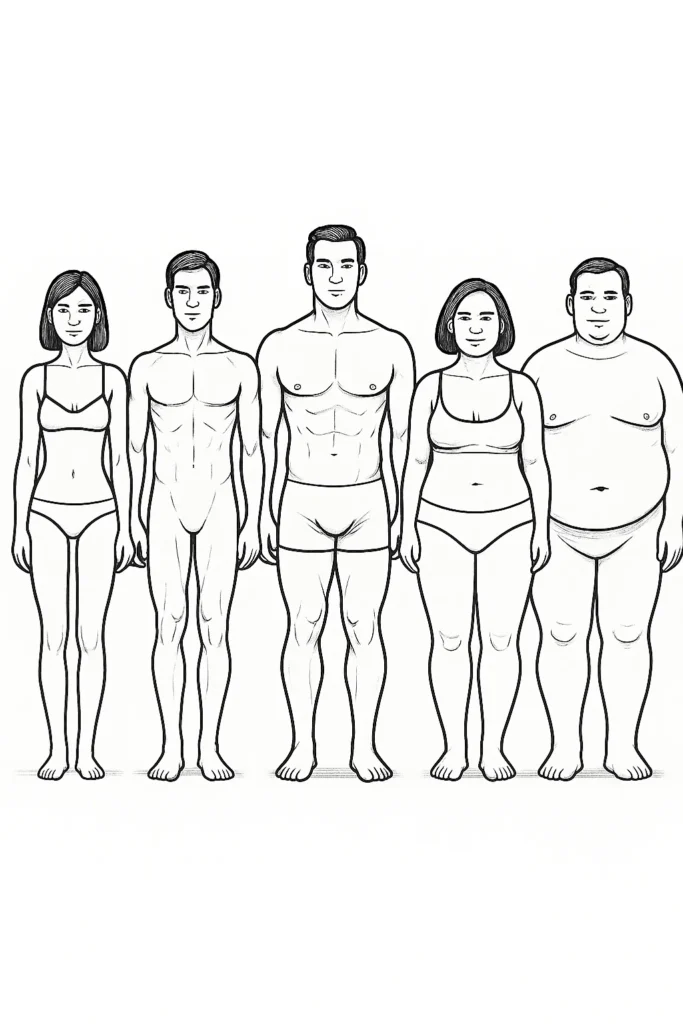
Gaining some weight and also losing weight are complicated processes involving a variety of variables such as genetics (body type), lifestyle, environmental factors, diet components, and so on.
Why Your Diet Matters for Weight Loss
You don’t necessarily need to follow an extreme diet to lose weight.
In fact, extreme restrictions can make it harder to maintain your progress.
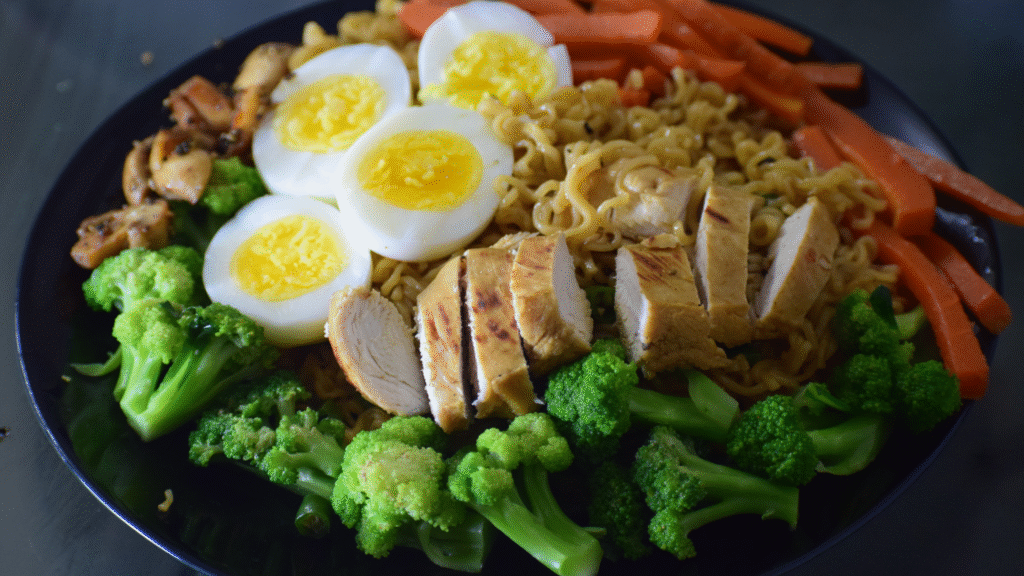
Instead, focus on making your everyday eating habits more sustainable.
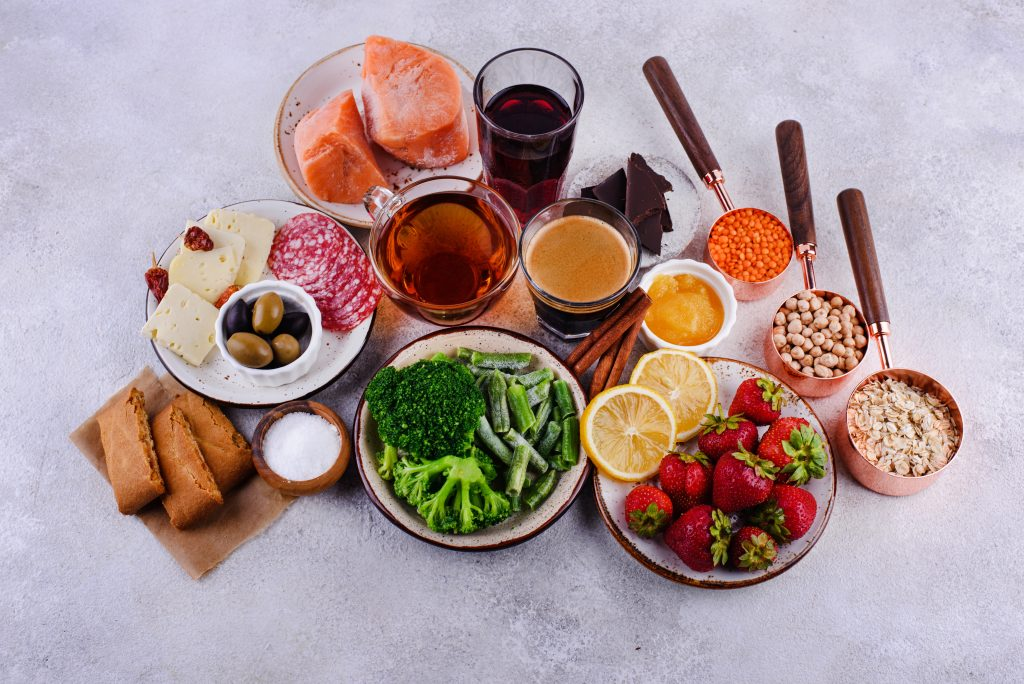
A healthy weight-loss diet can include:
- Vegetables
- Whole fruits
- Whole grains
- Beans and legumes
- Lean sources of protein
- Fish, eggs, poultry, or other protein sources
- Nuts and seeds
- Healthy sources of fat
You should also pay attention to portions and foods or drinks that are particularly high in calories.
That doesn’t mean you can never eat your favourite foods.
It means learning how to fit them into an overall eating pattern that supports your goals.
The CDC recommends focusing on healthy eating patterns that provide the nutrients your body needs while helping you manage calorie intake. CDC: Healthy Weight & Weight Loss
Don’t Fall for the “No Carbs” Trap
Carbohydrates aren’t automatically the enemy.
Rice, potatoes, oats, beans, fruits, and whole grains can all be part of a healthy diet.
Instead of asking:
“Are carbs bad for weight loss?”
Ask:
“Am I eating a balanced diet that I can maintain?”
That shift in thinking is much more useful for long-term weight management.
Why Exercise Matters for Weight Loss

If diet has such a major influence on weight loss, why exercise?
Because your health is about much more than your weight.
Regular physical activity can help:
- Improve cardiovascular fitness
- Strengthen muscles and bones
- Improve sleep
- Support mental health
- Increase energy expenditure
- Preserve muscle during weight loss
- Improve overall physical function
- Support long-term weight maintenance
The CDC recommends that adults get at least 150 minutes of moderate-intensity physical activity each week, along with muscle-strengthening activities on at least two days per week. soruce
And you don’t have to accomplish that by spending your entire life on a treadmill.
Walking counts.
Cycling counts.
Swimming counts.
Dancing counts.
Strength training counts.
Playing football with friends counts.
The best exercise is often the one you actually enjoy enough to keep doing.
Can You Lose Weight With Diet Alone?
Yes.
Changing your diet can create a calorie deficit without formal exercise.
But that doesn’t mean you should completely disregard physical activity.
Exercise supports your cardiovascular health, strength, mobility, mental wellbeing, and ability to maintain your weight over time.
Think of it this way:
Diet can help you lose weight.
Exercise helps you build a healthier body while supporting the process.
And when you combine them, you’re addressing more than the number on the scale.
Can Exercise Alone Help You Lose Weight?
Exercise can contribute to weight loss, but relying entirely on exercise can be challenging.
One reason is simple:
It’s often easier to consume calories than it is to burn them through exercise.
You might spend an hour exercising and then unknowingly consume a large portion of those calories back through a meal, snack, or drink.
Exercise can also affect appetite differently from person to person.
Some people become hungrier after intense workouts.
Others don’t.
That’s why it’s better not to treat exercise as permission to eat unlimited amounts of food.
Instead, think of exercise as a regular part of your lifestyle.
You’re not exercising to “punish” yourself for eating.
You’re exercising because you want a stronger, fitter, healthier body.
How to Combine Diet and Exercise for Weight Loss
This is where the real strategy comes together.
Rather than trying to create an extreme calorie deficit through either diet or exercise, use both.
1. Build a sustainable eating pattern
Focus on nutritious foods you actually enjoy eating.
Don’t build a diet around foods you hate simply because someone online says they’re “clean.”
2. Watch your portions
Healthy foods can still contribute significant calories when portions become very large.
Pay attention to how much you’re eating, not just what you’re eating.
3. Increase your daily movement
You don’t have to rely entirely on formal workouts.
Walking more, taking the stairs, doing household activities, and simply spending less time sitting can increase your overall physical activity.
4. Include strength training
Resistance training can help you build and maintain muscle.
This becomes particularly valuable when your goal isn’t simply to become lighter but to improve your overall body composition and physical fitness.
5. Add cardiovascular exercise
Walking, jogging, cycling, swimming, dancing, and other aerobic activities can help improve your cardiovascular fitness and contribute to your overall energy expenditure.
6. Don’t try to change everything overnight
You don’t need to completely redesign your lifestyle on Monday morning.
Start with one or two changes.
Make them consistent.
Then build from there.
How Much Exercise Do You Need for Weight Loss?
There isn’t one perfect amount of exercise that guarantees weight loss.
Your needs depend on your current fitness level, body size, health, diet, and goals.
For general health, however, it is recommended thatadults aim for:
150 minutes of moderate-intensity aerobic activity per week
or
75 minutes of vigorous-intensity activity per week
plus muscle-strengthening activities on at least two days per week. source
If you’re currently inactive or sedentary, don’t worry about hitting the full target immediately.
Start with walking.
Even a 15-minute walk is a better starting point than a two-hour workout you do once and never repeat.
How Should You Eat for Weight Loss?
A sustainable weight-loss diet should focus on overall eating patterns, not one magical food.
Try building meals around:
Protein:
Fish, eggs, poultry, lean meat, beans, lentils, yoghurt and other protein-rich foods.
Fruits and vegetables:
These can provide fibre, vitamins, minerals and other nutrients while helping add volume to meals.
Whole grains and other high-fibre carbohydrates:
Oats, brown rice, whole-grain bread, beans and similar foods can fit into a balanced diet.
Healthy fats:
Nuts, seeds, avocados and certain oils can be included in appropriate portions.
And don’t forget water, drink a lot of water.
Sugary drinks can add a significant amount of calories without necessarily making you feel as full as solid food.
Don’t Obsess Over the “Perfect” Diet
Low-carb diets.
Intermittent fasting.
Keto.
High-protein diets.
Meal replacements.
There are countless approaches to weight loss.
Some people find particular approaches easier to follow than others.
But the best diet isn’t necessarily the trendiest one.
It’s the one that provides adequate nutrition and that you can realistically maintain.
If your diet is so restrictive that you can’t imagine following it six months from now, it’s worth reconsidering.
Sustainability beats perfection.
How Long Does It Take to Lose Weight?
This is where patience becomes important.
Weight loss doesn’t happen in a perfectly straight line.
Your weight can fluctuate because of water retention, food intake, activity, hormones and other factors.
Your individual rate may be different.
That’s okay.
Don’t compare your progress to someone else’s transformation video.
Your body isn’t following their schedule. Make yours!
7 Simple Rules for Diet and Exercise for Weight Loss
If you want to keep things simple, start here:
1. Eat mostly nutritious, minimally processed foods.
2. Pay attention to portions and overall calorie intake.
3. Move your body regularly.
4. Include strength training.
5. Choose cardiovascular activities you enjoy.
6. Make changes gradually enough to maintain them.
7. Focus on long-term habits rather than rapid results.
You don’t need a perfect week.
You need enough consistent weeks to create meaningful change.
Final Thoughts
So, diet or exercise for weight loss?
The answer isn’t one or the other.
Diet and exercise for weight loss work best as a team.
Your diet can make it easier to manage calorie intake and create the deficit needed for weight loss.
Exercise can increase energy expenditure while improving your strength, cardiovascular fitness, mental wellbeing and overall health.
If you’re starting from scratch, don’t try to become a completely different person overnight.
Start by improving one meal.
Take a walk.
Go to the gym.
Drink more water.
Learn to recognize your portions.
Then repeat those behaviours tomorrow.
Because successful weight loss isn’t about finding the most brutal workout or the most restrictive diet.
It’s about building a healthier lifestyle that you can actually replicate aand live with.
And when the motivation eventually disappears, as it does for everyone.
Your habits should be strong enough to keep you moving.